


What if the talent your business has been struggling to find was there all along, just out of reach of your recruitment process?
Why does hiring people with disability matter?
One in five Australians has disability. The Australian Bureau of Statistics puts it at 21.4%, or 5.5 million people, in 2022. That includes people living with mental health conditions, and many disabilities you can't see.
Many have the skills and motivation employers want, yet they remain underrepresented in the workforce. This is rarely because businesses don't care. Government research reported by JobAccess found most employers are open to hiring people with disability, but many aren't sure where to start.
What does the research say about employees with disability?
Inclusive employment is the right thing to do, and it also makes good business sense. Figures from JobAccess (PDF), the Australian Government's disability employment service, challenge some common assumptions.
90% of employees with disability are as productive as, or more productive than, other workers.
Common assumption: Staff with disability are less productive.
86% of employees with disability have average or better attendance than other workers.
Common assumption: Staff with disability need more time off.
98% of employees with disability have average or better safety records than other workers.
Common assumption: Staff with disability are a safety risk.
Employees with disability are four times more likely to stay with their current employer.
Common assumption: Staff with disability don't stay long.
Like anyone, people's needs vary. Some will need flexibility at times, and good adjustments make that easy to manage. Staff who stay longer also mean lower recruitment costs and more stable teams.
Why do capable candidates miss out?
Talent exists everywhere, but opportunity doesn't reach everyone equally. A few common habits can screen good people out:
- Job ads list requirements the role doesn't need.
- Interviews favour confident talkers over capable doers.
- Rigid work arrangements rule out someone who would do well with a small change.
Inclusive employment means looking past what a candidate “should” look like, and focusing on capability, potential and contribution.
How do you start hiring people with disability?
You don't need to overhaul your business. Five practical steps make a real difference.
- Review your job ads. Keep only the tasks the job truly needs, and write them in plain language. If the role doesn't involve driving, don't ask for a licence.
- Invite every candidate to ask for adjustments. A simple line works: “Tell us if you need anything for your interview.” Asking everyone means no one has to share personal information.
- Be flexible in how you assess people. A practical task, or questions sent ahead of time, can show capability better than a formal interview. To see someone on the job, offer a paid trial shift.
- Know what support exists. The Employment Assistance Fund can reimburse the cost of workplace changes, equipment, assistive technology and Auslan interpreting for eligible employees. JobAccess can arrange a workplace assessment at no charge.
- Partner with an employment provider. Through Inclusive Employment Australia (which replaced Disability Employment Services in November 2025), providers like ORS help you find suitable candidates and support them as they settle in.
What do workplace adjustments look like?
A workplace adjustment is a change to the job, the workplace or the way work is done.
Common adjustments:
- A set roster, or flexible start times
- Written task lists alongside spoken instructions
- A quieter place to take breaks
- Short, regular check-ins with a supervisor
- Screen-reading software or an adjustable desk
Ask each person what works for them, and check in again later. Needs can change over time, especially with mental health conditions.
How can ORS help your business?
ORS is a listed Inclusive Employment Australia Specialist Mental Health provider. We support people living with mental health conditions (psychosocial disability) to find and keep work, at 15 sites across New South Wales, Western Australia, the ACT and Victoria. Our approach is based on the Individual Placement and Support (IPS) model.
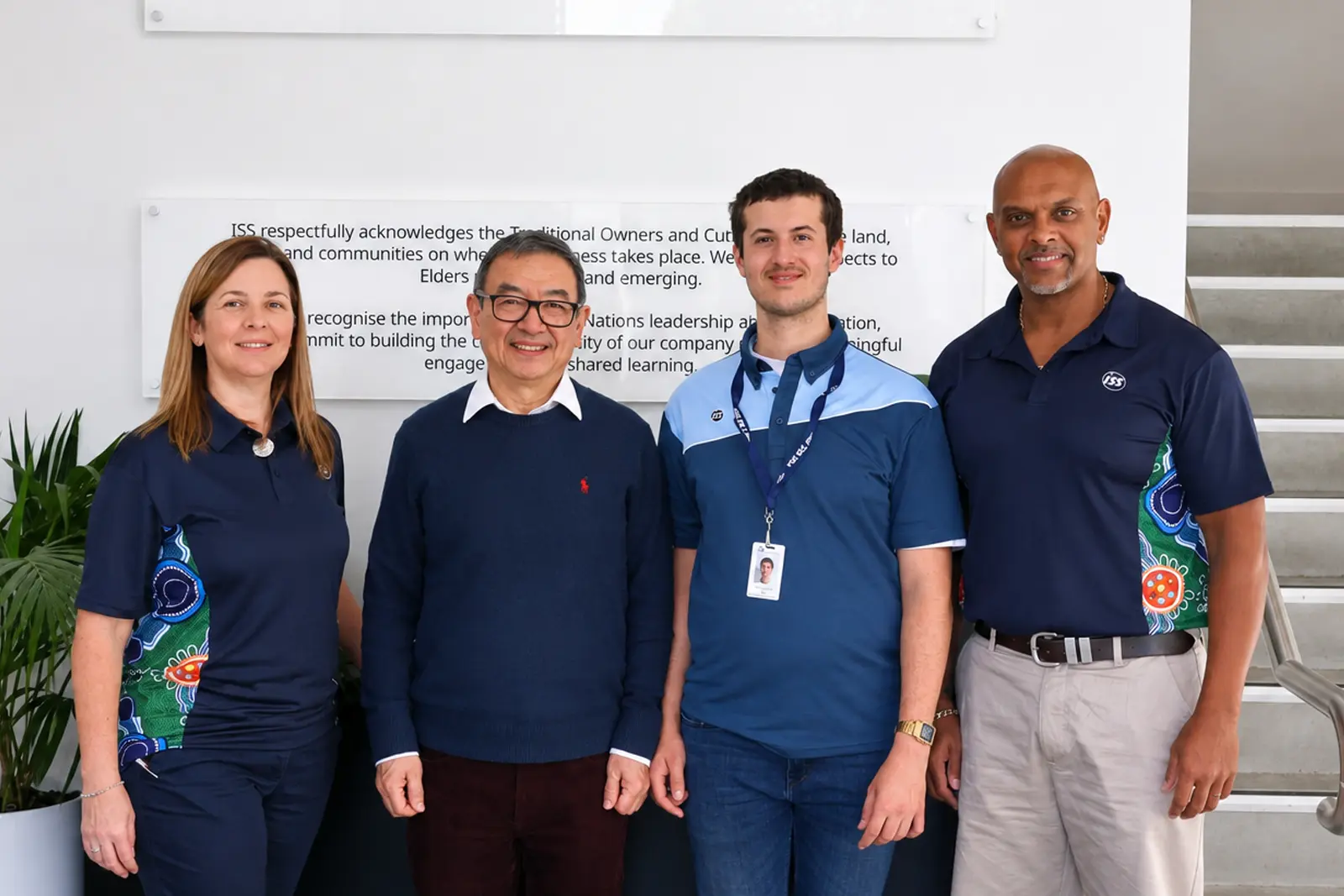
Here's how our employer support works:
- We get to know your business.
- We put in place a Service Delivery Model and a dedicated account manager for your organisation.
- We learn about the roles required for your organisation.
- We pre-screen, match and shortlist motivated candidates for your organisation.
- We provide ongoing support to the organisation and the candidate throughout the employment period.
- We provide guidance to employers to build capability for inclusive workplaces.
What could your business achieve?
The question isn't simply “How can we become more inclusive?” It might be: “What could we achieve if more people had the chance to contribute?”
Whether you're filling one role or rethinking your approach, it can start with one conversation.
Frequently asked questions
Do employers get incentives for hiring people with disability?
Yes, in some cases. Through Inclusive Employment Australia, an employer may receive a wage subsidy of up to $10,000 for employing an eligible person for 26 weeks. The job must be at least 8 hours a week, and the provider decides whether a subsidy applies. Ask your provider about eligibility, the amount and payment timing before you offer the role. See JobAccess for current conditions.
Does it cost anything to work with an Inclusive Employment Australia provider?
No. Inclusive Employment Australia is government-funded, so there's no fee for your business to use a provider's recruitment and post-placement support. You pay wages as usual.
Do employers have to make reasonable adjustments?
Yes. Under the Disability Discrimination Act 1992, employers must make reasonable adjustments that a job applicant or employee needs to do the essential tasks of the job. The exception is where an adjustment would cause unjustifiable hardship, meaning a cost or disruption too great for the business. The Australian Human Rights Commission explains how this works. State and territory anti-discrimination laws also apply. This is general information, not legal advice.
Can employers ask about disability in an interview?
Only in limited ways. You can ask whether a candidate can do the essential tasks of the job (its inherent requirements), and whether they need any adjustments. Avoid asking about the disability itself. JobAccess has guidance on interviewing. This is general information, not legal advice.
Does a candidate have to tell me about their disability?
No. Sharing information about a disability or mental health condition is the person's choice. Inviting every candidate to ask for what they need makes it easier for people to get support without having to share it.
Can I offer a work trial?
Yes, as long as it's paid. ORS recommends that all work trials are paid. The Fair Work Ombudsman says a trial without pay is only lawful as a short, supervised demonstration of the skills the job needs, so a paid trial shift is the safest option. This is general information, not legal advice.
ORS has provided allied health, psychology, workplace rehabilitation and employment services across Australia since 1992.
Start your journey with ORS
Helping job seekers find meaningful work and employers build inclusive teams across Australia.
To learn more visit our Inclusive Employment Australia page.
Select one of the options below to get started
Participant details are not stored on our website. Your information will only be sent to the relevant team, who will contact you about your registration of interest.


