NDIS Positive Behaviour Support for complex & challenging behaviours

ORS is Australia’s largest provider of Positive Behaviour Support. We specialise in complex, high-risk behaviours, including those involving restrictive practices, across NSW, WA, Victoria and the ACT, plus telehealth Australia-wide. Delivered in homes, supported accommodation, schools, out-of-home care, the community and online.

Trusted by support coordinators & parents across Australia

380+

Behaviour Support Practitioners

4,500+

Participants supported every year

1,500+

Participants with restrictive practices

35+

Years delivering allied health services

20

Locations across NSW, VIC, WA & ACT

Why ORS for Complex & High-Risk Behaviour Support

Around one in every fifty NDIS participants are linked to a regulated restrictive practice, and roughly 12,000 participants are subject to one every quarter. At ORS, this is our core work. We specialise in complex and challenging behaviours, including those that have led to chemical, environmental, mechanical or physical restraint or seclusion, with a focus on reducing and eliminating restrictive practices over time.

Depth of Capability

16 Specialist, 31 Advanced and 73 Proficient behaviour support practitioners (NDIS Commission capability levels), supported by 96 senior practitioners and more than 170 core and entry-level practitioners. With over 380 practitioners across NSW, WA, Victoria and the ACT, ORS has one of the largest and most credentialed behaviour support teams in Australia, and we are still growing.

Multidisciplinary PBS Practitioners

ORS PBS Practitioners have a diverse range of qualifications including Psychology, Occupational Therapy, Speech Pathology, Social Work, Teaching, Early Childhood Education, Board Certified Behaviour Analyst, Criminology, Nursing, Dietetics. Male and female practitioners available, along with multilingual practitioners.

Registered Specialist Provider

Registered Specialist Behaviour Support Provider with the NDIS Quality and Safeguards Commission (registration 4-3LLK-122); all practitioners registered and capability-assessed.

Specialist Safety and Risk Team

Specialist Safety and Risk Team supporting complex incidents.

Dedicated Compliance Team

Dedicated Compliance Team ensuring legislative and NDIS compliance.

Dedicated Centre of Excellence

Dedicated Centre of Excellence providing advanced clinical leadership. Our Centre of Excellence delivers in-house training that equips staff to support clients across diverse behavioural challenges.

What is Positive Behaviour Support?

Positive Behaviour Support (PBS) is an evidence-based approach for people whose behaviour is affecting their safety, independence or everyday life. Behaviour is communication. Rather than simply managing a behaviour, our practitioners identify the unmet needs and environmental factors behind it, then build the skills, routines and support strategies that reduce risk and help a person take part more fully in the life they want.

For children and young people, behaviours of concern can stand between a child and their learning, friendships, family routines and time at school. PBS works to remove those barriers early, supporting participation at home and in the classroom.

For adults and older adults, behaviours of concern can put relationships, housing, work and community connection at risk. PBS creates safer routines, clearer communication and consistent support across every setting a person moves through, reducing reliance on restrictive practices and giving people more control over their lives.

Who We Support

Positive Behaviour Support is suitable across the lifespan, with or without a formal diagnosis. The two largest client groups in behaviour support are people with autism (the single largest NDIS cohort) and people with intellectual disability, and our practitioners work with both every day.

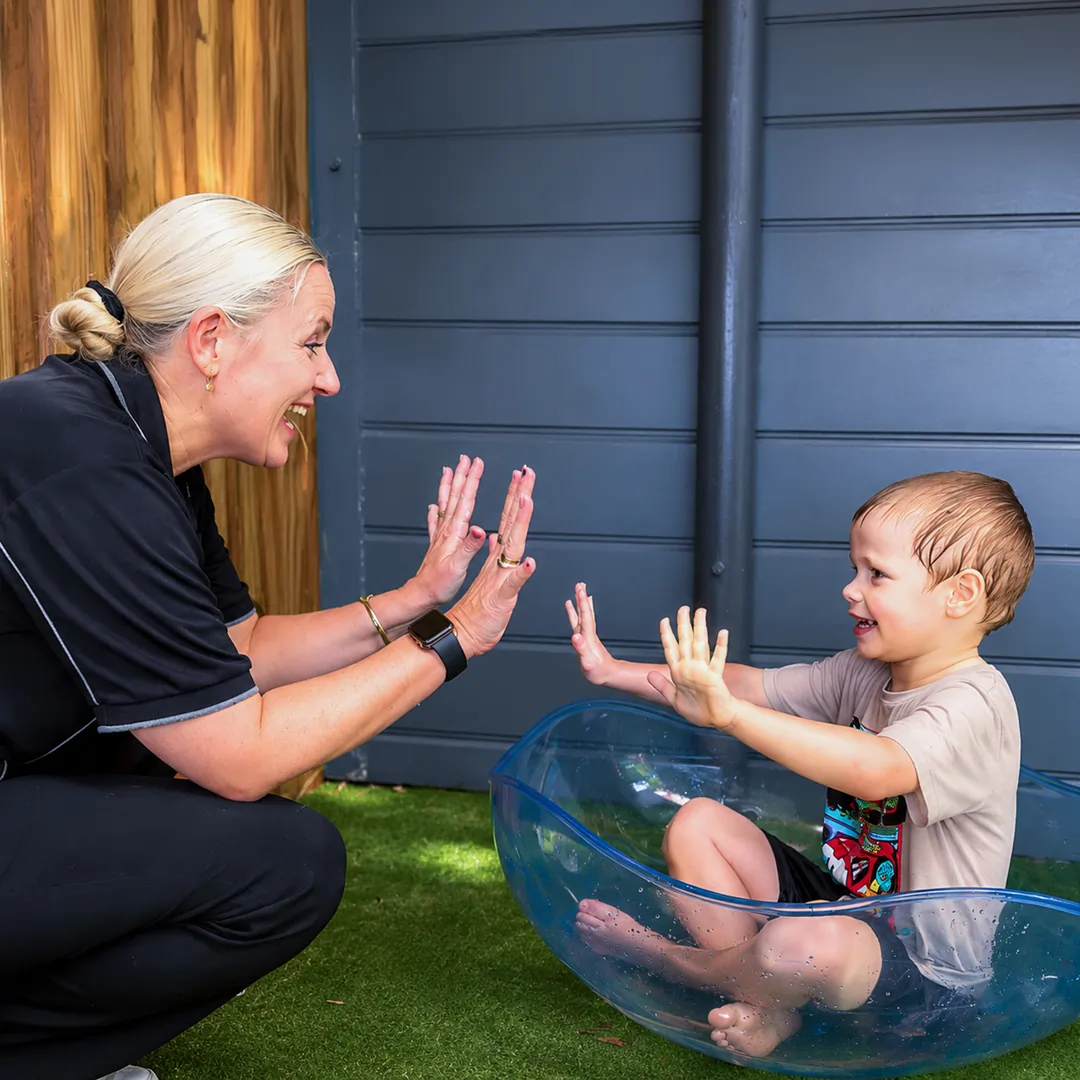
Positive Behaviour Support practitioner using play-based strategies with a young child during an NDIS therapy session.

Children & Young People

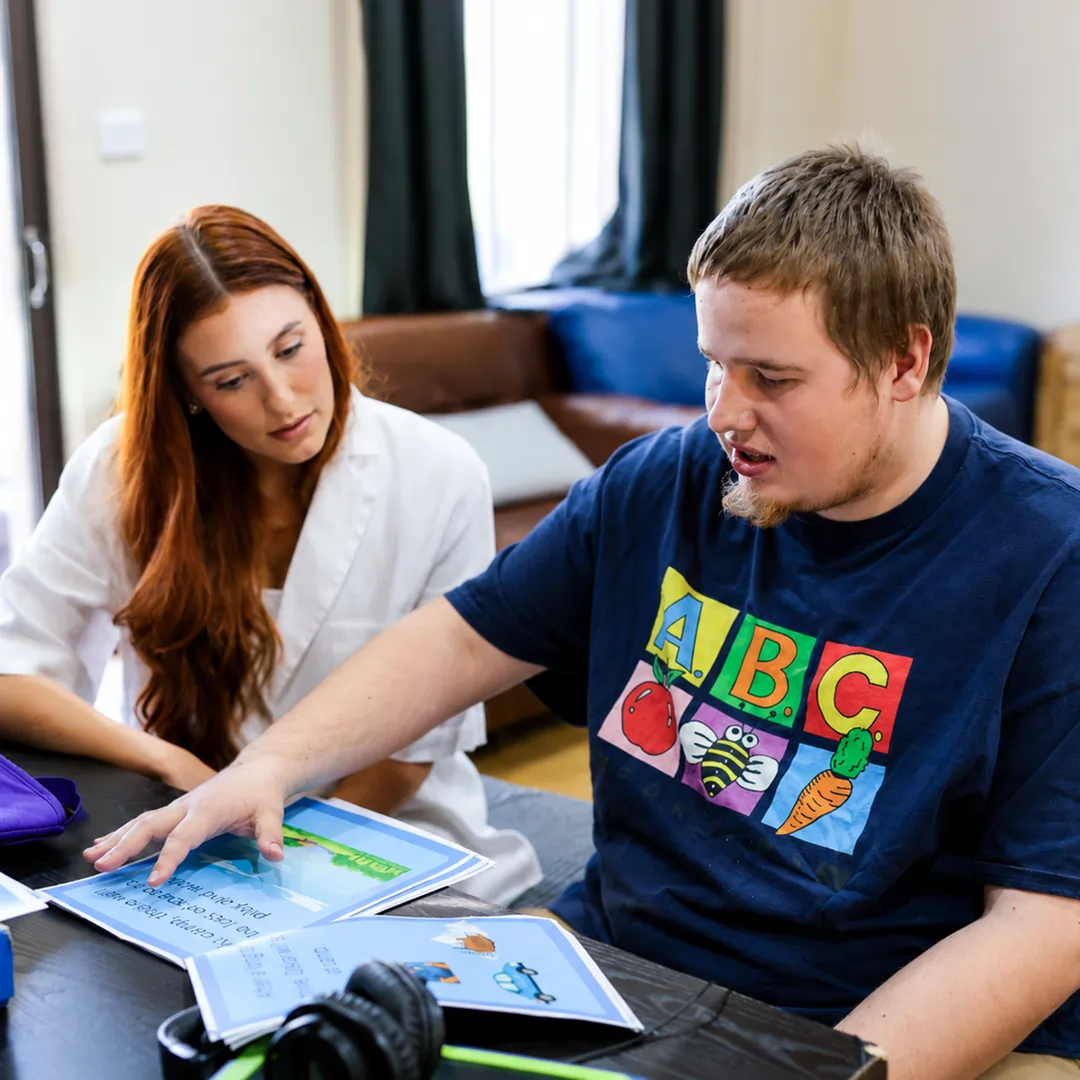
Positive Behaviour Support practitioner working with an adult NDIS participant using visual resources to build everyday skills and independence.

Adults & Older Adults

Complex Behaviours We Regularly Support

We support behaviours of concern across every setting, including cases where restrictive practices or seclusion are already in place.

Physical Aggression

Aggression towards others and severe agitation that places safety at risk.

Self-Injury

Behaviours that cause harm to self, including in high-risk presentations.

Property Damage

Property destruction that threatens housing, safety and community access.

Absconding

Leaving safe environments without support, raising significant safety risk.

Restrictive Practices

Chemical, environmental, mechanical or physical restraint, and seclusion.

Forensic & Justice

Clients involved in the criminal justice system, supported by forensic specialists.

Thinking about a Positive Behaviour Support referral?
Our team can guide you through the next steps.

Behaviour Support in SIL, SDA & Supported Accommodation

We partner with SIL and SDA providers to support participants in multi-resident and individual settings. We develop interim and comprehensive behaviour support plans, support authorisation and reporting obligations, and train staff teams to apply strategies consistently.

We work to reduce unauthorised and regulated restrictive practices, a key compliance and quality risk for providers, with the aim of increasing safety for everyone. ORS can also provide specialist training in restrictive practices for SIL and SDA providers, customised to their needs.

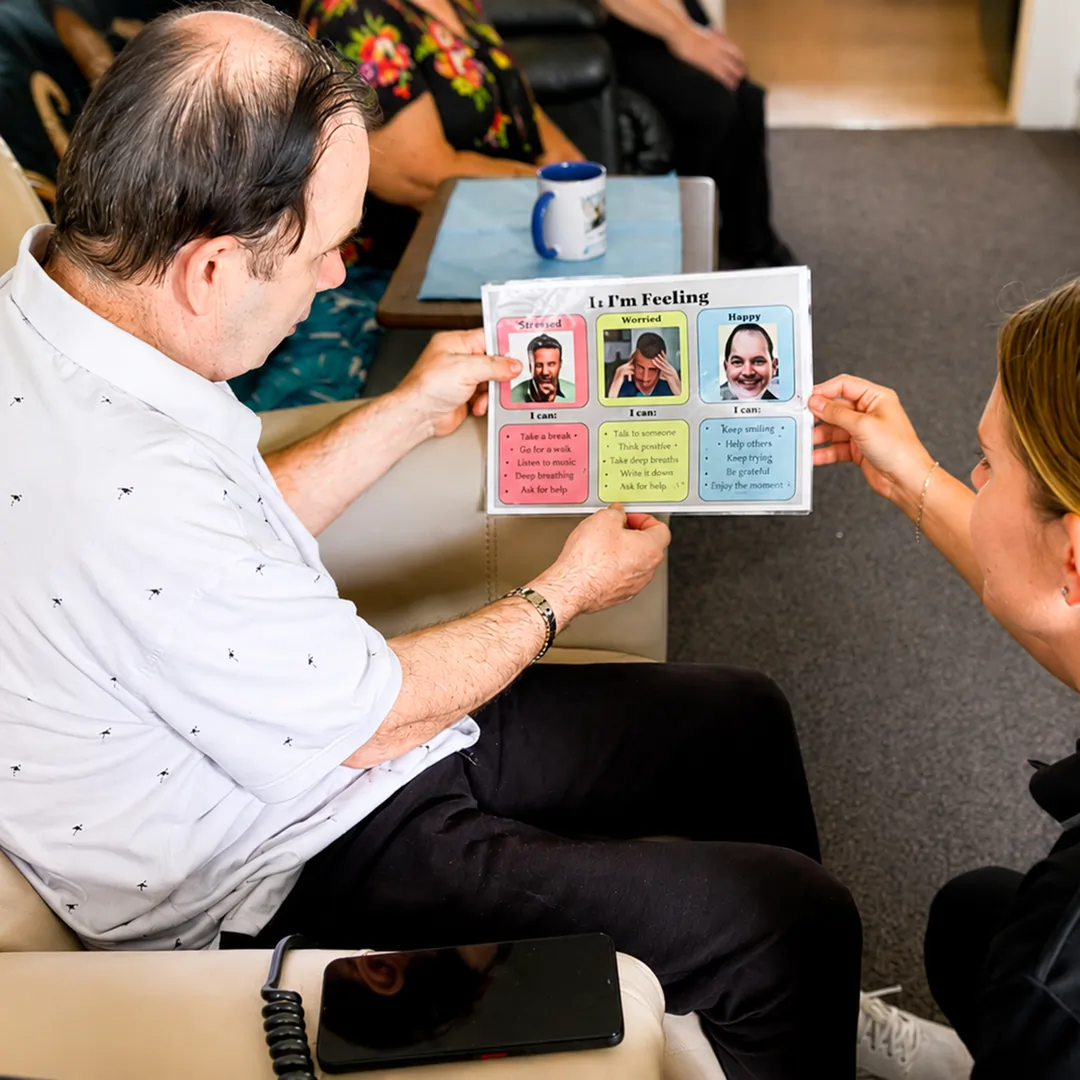
Positive Behaviour Support practitioner using visual communication tools with an NDIS participant during a support session in supported accommodation.

Trauma-Informed Support for Children in OOHC

ORS specialises in behaviour support for children and young people in out-of-home care. We provide trauma-informed PBS, work alongside carers, residential staff and the care team, and support presentations common in OOHC, including FASD and developmental trauma.

We coordinate with statutory and care arrangements so strategies stay consistent across every placement and setting. ORS provides this service outside the NDIS and works with several state-based government agencies, tailored to their requirements and legislative context.

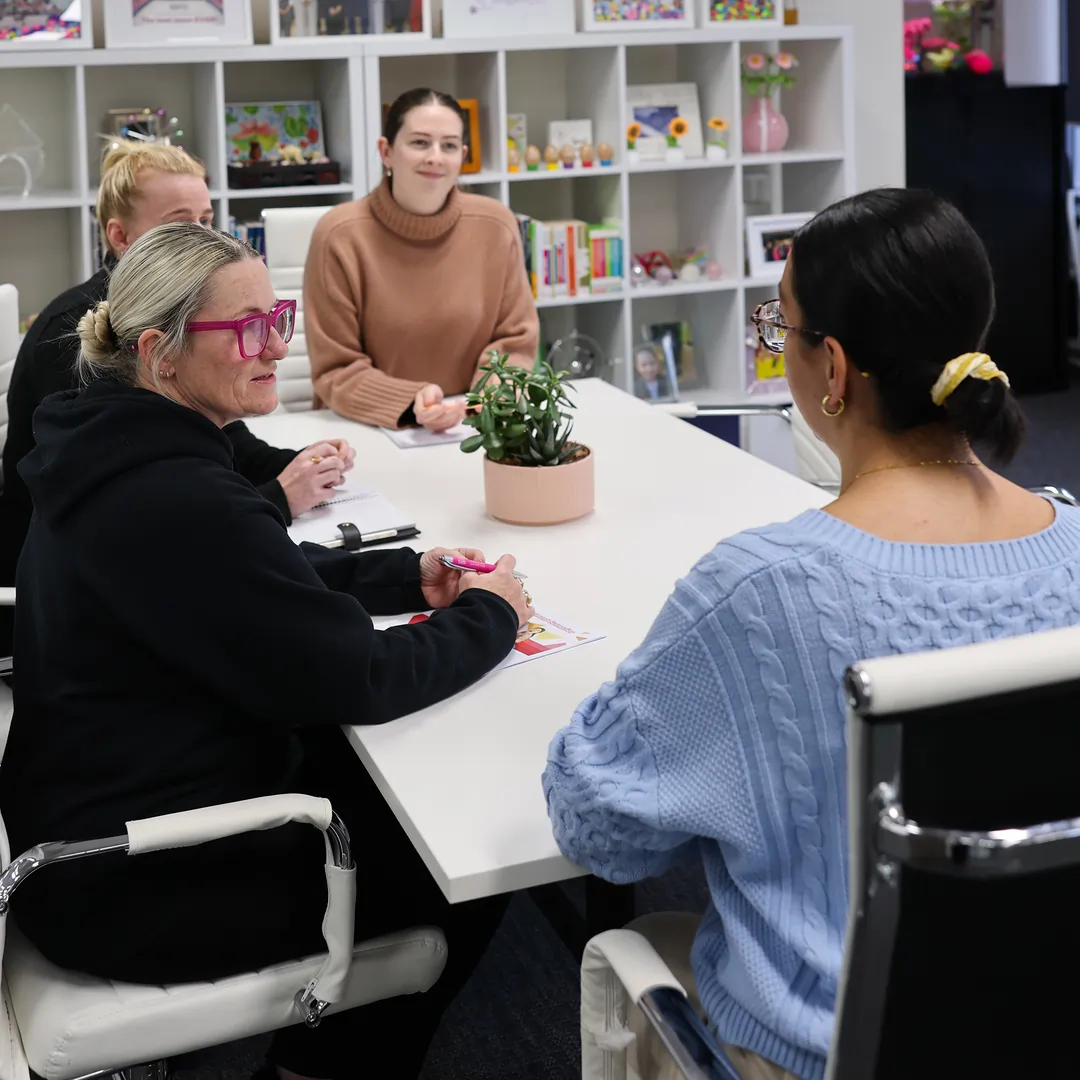
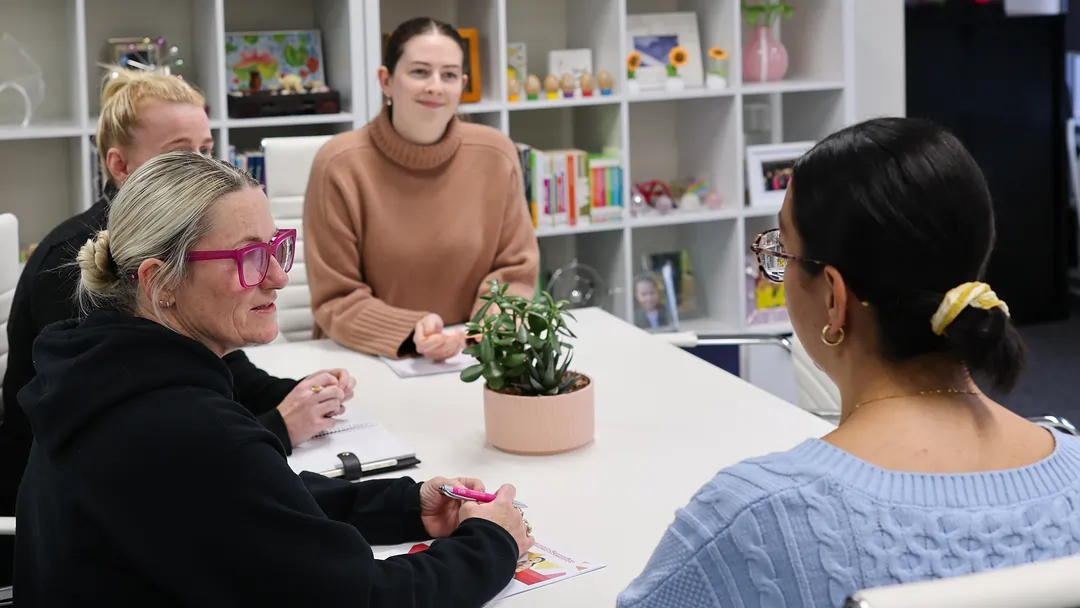
Positive Behaviour Support practitioners meeting with carers as part of trauma-informed behaviour support for children in out-of-home care.

When Should You Refer?

Support Coordinators, SIL and SDA providers, schools and families commonly refer participants when:

Restrictive practices are in place

A participant is at risk of losing their accommodation

Behaviour is impacting safety or quality of life

Previous behaviour support has been unsuccessful

A Behaviour Support Plan is required

Housing providers need urgent behavioural support

An NDIS plan review requires clinical evidence

A participant has become difficult to support safely

Service Options to Suit Your Needs

Our services are organised across assessment, ongoing intervention and NDIS plan review support. If you’re not sure which option fits, our team can help you decide.

Assessment & Behaviour Support Plan

A functional assessment followed by a co-designed plan, with strategy development and NDIS-compliant reporting.

Assessment, Plan & Ongoing Intervention

End-to-end support, from assessment through to hands-on implementation, training and review.

Unsure whether Positive Behaviour Support is right for you?

Multidisciplinary Support

Many participants benefit from support across more than one allied health discipline. When appropriate, our behaviour support practitioners work alongside other ORS clinicians for coordinated support and a shared understanding of a participant’s needs. Coordinated support helps reduce duplication and keeps strategies consistent across a participant’s team. 

Brennan’s Journey

Real Outcomes for Real People

When Brennan first began his journey with ORS, behaviours of concern and communication barriers made everyday life challenging for him and his family. Frustration often replaced connection, making it difficult for Brennan to express his needs and participate fully at home and at school.

Together with his dedicated ORS Positive Behaviour Support Practitioner, Bec, Brennan worked towards meaningful goals: developing new ways to communicate, learning to use sensory strategies to regulate his emotions, and replacing moments of frustration with positive interactions.

Through NDIS Positive Behaviour Support, consistent behaviour support strategies, close collaboration with his family, and support across the environments where Brennan lives and learns, his confidence and independence have continued to grow.

How Positive Behaviour Support is Funded

Positive Behaviour Support is funded through your NDIS Capacity Building budget. In newer PACE plans this sits under the Behaviour Support category; in older plans it appears under Improved Relationships.

If you’re unsure whether your plan includes behaviour support funding, contact our team,  we can help you understand what’s listed in your plan and how it can be used. We also work with privately funded arrangements and government-contracted services such as child protection, out-of-home care and aged care.

ORS-is-a-NDIS-registered-provider.svg

Frequently Asked Questions

A Behaviour Support Plan is a personalised, evidence-based document that sets out strategies for understanding and reducing behaviours of concern and improving quality of life. It includes a functional behaviour analysis to understand the factors underlying the behaviour, proactive strategies, environmental adjustments, skill-building approaches, and guidance on reducing restrictive practices where appropriate.

No. A formal diagnosis is not required. What matters is that a behaviour is affecting safety, participation or quality of life.

Yes. Positive Behaviour Support is effective across the lifespan, including children, adolescents, adults and older adults, and across home, community, school, workplace and supported accommodation settings, including aged care facilities.

A restrictive practice is any practice or intervention that has the effect of restricting the rights or freedom of movement of a person with disability. Restrictive practices may only be used as a last resort to prevent harm, and the use of any regulated restrictive practice must be documented in a behaviour support plan developed by an NDIS behaviour support practitioner working within a registered specialist behaviour support provider. The aim is always to reduce and, over time, eliminate the use of restrictive practices by understanding the reasons behind a behaviour and putting better support strategies in place.

The initial functional behaviour assessment and Behaviour Support Plan development usually takes around four weeks, depending on complexity. Ongoing support can continue for as long as it is needed and funded under the participant’s NDIS plan or other contracted arrangements. ORS can provide urgent reports in shorter timeframes, so please talk to our team if this is required.

Yes. Services include ongoing training on the participant’s individual Behaviour Support Plan, for family members, support workers, teachers and other practitioners, as well as the participant. Training can also be conducted via Teams so a recording can be kept for new or absent staff.

Yes. With the participant’s consent, our practitioners work with existing supports, such as a day program, school or allied health professional, and where relevant can include them in training on how to apply the plan’s strategies consistently.

Yes. ORS has significant expertise in this area and can take clients with restrictive practices and complex behaviours.

Yes. We can also provide OT-specific assessments and reports to assess housing for suitability and safety regarding behaviours such as property destruction, absconding, harm to self or harm to others.

Have a specific question? Submit an Enquiry

Back to top

How can we help?

Needing more information regarding ORS’ services contact our Intake Team and they will be in touch shortly.

ORS Logo Landscape

orsgroup.com.au | 1800 000 677

ORS-Logo-Landscape.png

Submit Feedback

Feedback Type
Drag & Drop Files, Choose Files to Upload You can upload up to 10 files.
Would you like ORS to contact you about your feedback or suggestion?