
Positive Behaviour Support, Allied Health and Employment Services That Work
Outcomes That Matter
Australians supported
every year
Staff nationwide
Years supporting
Australians
Support Across Every Stage of Life
From early childhood to employment and workplace recovery, to entry into supported accommodation and aged care, we’re here to help people overcome barriers and achieve their goals. This can occur through assessment and diagnosis and/or through targeted intervention and therapy.
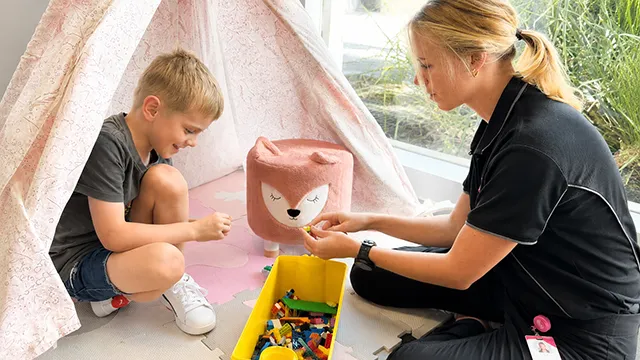
Children, Adults & Families
Supporting children, adults and families to participate, achieve their goals, and live more independently.
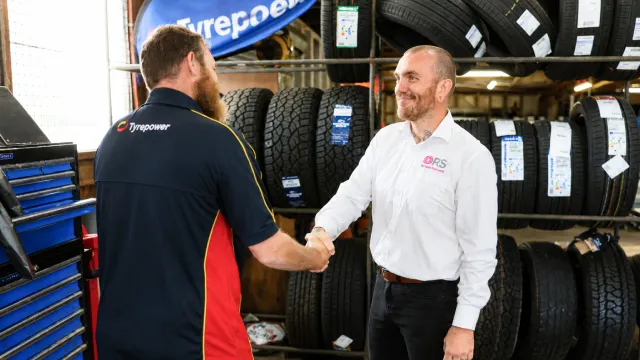
Employment Support
We help you prepare for, find and keep work that matches your interests and goals. Because you deserve a career, not just a job.

Workplace Health & Recovery
ORS are experts in helping workers recover at work and return to work safely after injury or illness, with particular expertise in complex claims and psychological injuries.
Why Choose ORS?
Family owned and Australian operated
Independent and values-driven, committed to delivering long-term positive outcomes for Australians.
Over 30 years of experience
Delivering allied health, workplace rehabilitation and employment services since 1992.
National Reach
21 offices across NSW, VIC, WA and ACT, with multilingual staff. Telehealth available nationally.
NDIS registered
Extensive quality certifications including ISO 9001:2015, NSDS and RFFR.
Multidisciplinary
Positive Behaviour Support, Psychology, Occupational Therapy, Speech Pathology, Dietetics, Workplace Rehabilitation and Employment Services.
Oskar’s Journey
Real Outcomes for Real People
Meet Oskar. Eight years ago, behaviours of concern made daily life extremely challenging for Oskar, his family and his support staff, and he required three-to-one support to get through the day. ORS has captured Oskar’s journey twice over this time, and the two videos that follow show just how significant his progress has been.
The first video shows Oskar mid journey in 2021. The second shows Oskar today: choosing his own meals, shopping independently, helping out around the house, and taking on new experiences with growing confidence, from camps to snow trips.
Watching them side by side tells the story better than words can. Oskar’s progress reflects what behaviour support can make possible: working alongside a person to build skills, choice, and independence over time. Every person’s situation is different, and outcomes vary from one individual to the next, but Oskar’s story shows the kind of change that is possible.
2021
Mid Journey
Oskar midway through his journey with ORS.
Read the transcript - Oskar's story
Transcript: Oskar's Story - Positive Behaviour Support Good News Story from ORS
[Oskar walks outside his home and makes a drink in the kitchen while his mum speaks.]
Oskar's mum: ORS became involved when Oskar was about 17. Oskar was transitioning from accommodation providers and really struggling with his frustration tolerance, and perpetrating some violence and anger at others. It was a huge decision to think about Oskar moving out full time, and it's not something we had planned for, but his behaviour had become really difficult and we were losing a lot of services.
ORS Behaviour Support Clinician: When we got involved, that was when Oskar was finding his new home, where we were able to be part of finding and training the correct staff for Oskar, and helping him learn some of the tolerance strategies that he needed.
Oskar's mum: I think ORS is really good at understanding the needs of their clients and what their goals are, and helping them achieve those. Also, I think they're really great at working in a multidisciplinary team - working with a specialist support coordinator, working with us as a family, and then all the other pieces of speech therapists and exercise physiologists. Really great communication and just that coordinated approach, which for the client means that it's just this seamless sort of transition.
ORS Behaviour Support Clinician: The goal had been to have some calmness, or just to have consistency for Oskar. But we really, I guess, saw alongside Oskar's family that there was a lot of potential for growth and there was a lot of potential for more. And so the biggest challenge was really saying: OK, we are better than where we were, but I think we can go further.
[The clinician sits with Oskar on the couch, chatting while he has a snack.]
Oskar's mum: Oskar's behaviour is incredibly improved to what it was, and there are multiple factors for that. But without a doubt, the ability of ORS to document what Oskar's likes, preferences and needs are is significant.
[Oskar explores his new home and hangs out washing with a member of his support team.]
ORS Behaviour Support Clinician: When I think about Oskar's future now, I'm actually really unsure what it would look like - because for a while we knew what we wanted it to look like, and that was our best bet, that maybe we could get there and maybe that's what it would be. But now, it could be anything!
[Oskar chats with a support worker at the door of his home.]
Today
Oskar’s Progress
Oskar today, living more independently and embracing new experiences with confidence.
Read the transcript - Oskar's story (follow-up)
Transcript: Oskar's Story (follow-up) - Positive Behaviour Support Good News Story from ORS
[Lauren, Oskar's ORS practitioner, speaks to camera outdoors. Footage shows Oskar at home - hanging out washing, choosing groceries, and working through picture cards with his team.]
Lauren (Positive Behaviour Support Practitioner, ORS): Oskar first came to ORS to manage some impulsive and aggressive behaviours that he was having at home and in the community, and it was also to assist the new staff who were taking over his care with some strategies to manage those behaviours. He's got a really good team around him now - he's got an occupational therapist and a psychologist from ORS who he's worked with for a long time, so they know him really well and work really well with each other.
Oskar now is able to really adapt with his routine, and with changes within the routine. Previously he was very rigid, very stuck, and he liked doing everything on the hour, every hour, the exact same way. His independence has improved because he's doing so many more activities of daily living himself. He's able to clean up after himself, he's able to pick what meals he wants, he goes shopping with his staff and picks the groceries that he wants to have. He just seems to be willing to try new things, rather than being concerned and sort of scared of doing new things. So I think that confidence to try new activities is the biggest thing.
[Lauren sits with Oskar on the couch, sharing picture cards and laughing together.]
Lauren: I feel really proud to be part of Oskar's team. It's been a very big blessing just to see his progress over the last three years, but also to see how his family have reacted to that progress. Oskar originally was at 3:1 support, and now he's 1:1 - going on camps, living life, going to the snow. Everything can just change with that support, and with trusting the therapeutic team around him. It feels like we're helping Oskar achieve his goals and be more independent, but it also feels like we're helping the family be able to spend that really quality time with him.
[Dougie, Oskar's little brother, speaks to camera outdoors.]
Dougie (Oskar's little brother): Hi, I'm Dougie, I'm Oskar's little brother. I'm pretty proud of him for achieving being able to compose himself in some places - I reckon he's gotten pretty good at it, just composing himself. I'm so proud of Oskar because he was able to achieve all of the goals that were set for him. And it'll be really great to see what else he can achieve in his life. What's happening now is pretty good already - I would hope for it to be even better, and I reckon it's a lot brighter, with more people in it too.
[Lauren speaks to camera again, smiling.]
Lauren: I love my sessions with Oskar. He's just the funniest person in the world, and we always have a joke together - but we also make just the best progress. So yes, I very much enjoy my time with him.
Support Through Multiple Funding and Service Pathways
ORS delivers behaviour support, allied health and employment services through a range of funding and referral pathways.
Whether you’re seeking support for yourself, a family member, an employee or someone you support professionally, our team can help connect you with the right service and pathway.

National Disability Insurance Scheme (NDIS)
ORS is a registered NDIS provider, including registration for Specialist Behaviour Support and Early Childhood Support. We also provide allied health services in Occupational Therapy, Speech Pathology, Psychology and Dietetics and employment support through Finding and Keeping a Job.
Medicare-Funded Services
Eligible psychology, dietetics, speech pathology and occupational therapy services may be accessed through Medicare-funded pathways, including Better Access, GP Chronic Condition Management Plans and Eating Disorder Treatment and Management Plans.
Private & Self-Funded Services
Assessment, diagnostic and intervention services across ADHD, autism, mental health, communication, functional and educational needs. Flexible support options available. Private health rebates may be available for eligible services. No referral required.
Employment Services
Through Inclusive Employment Australia and Finding and Keeping a Job (NDIS). Helping people prepare for, find and maintain meaningful employment.
Workplace Rehabilitation
Workplace rehabilitation services for workers recovering from injury or illness. Referrals from insurers, injured workers, employers or GPs. Expertise in psychological injuries and finding new employment.
Government and Community/Private Organisation Funded
Assessment and therapy services for children, young people and adults funded through state and federal government programs. Expertise in Out of Home Care, disability, mental health and complex support needs.
State Insurance Regulatory Authority (SIRA)
Psychological counselling for clients with diagnosed mental health conditions on an active Workers Compensation claim. Requires a GP referral. ORS has particular expertise in psychological injury return-to-work outcomes.
Need Help Understanding Your Options?
Funding and eligibility requirements can vary between services and programs. Our team can help identify the most appropriate pathway based on your circumstances.
Better Outcomes Through Multidisciplinary Support
Many providers offer a single service.
ORS brings together allied health services, employment services and workplace rehabilitation so people can access coordinated support through one provider.
That means a participant receiving behaviour support may also benefit from psychological therapy, speech pathology, occupational therapy, dietetics or employment supports, while employers and insurers can access workplace rehabilitation services from the same trusted provider.
Because support needs rarely fit into a single box, our teams work together to help people achieve better outcomes.
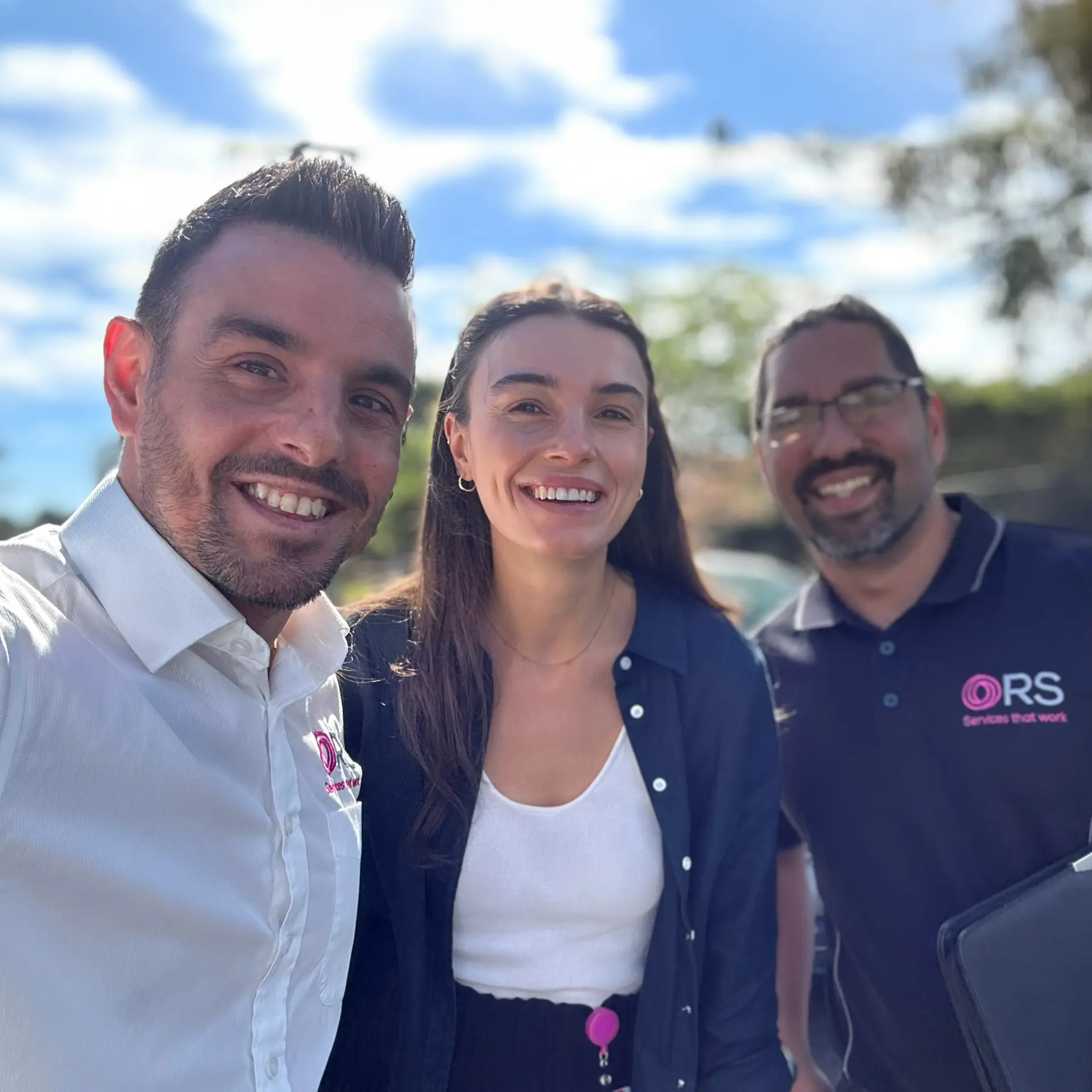
Supporting Communities Across Australia
ORS operates across New South Wales, Victoria, Western Australia and the Australian Capital Territory, with 20+ locations nationwide.
Our teams provide support in homes, schools, early childhood education centres, workplaces and community settings. Most services are also available via Telehealth nationally.
Why Referrers Choose ORS
Support coordinators, healthcare professionals, government departments, employers, insurers and community organisations trust ORS because of our expertise, breadth of services, national reach, strong governance, coordinated approach to care and ongoing commitment to research and evidence-based services.
Whether you’re referring for positive behaviour support, allied health services, workplace rehabilitation or employment services, our team can help connect people with the right support at the right time.
clinicians & practitioners
Reach
Governance
Behaviour Support
Services
Our Latest Blogs